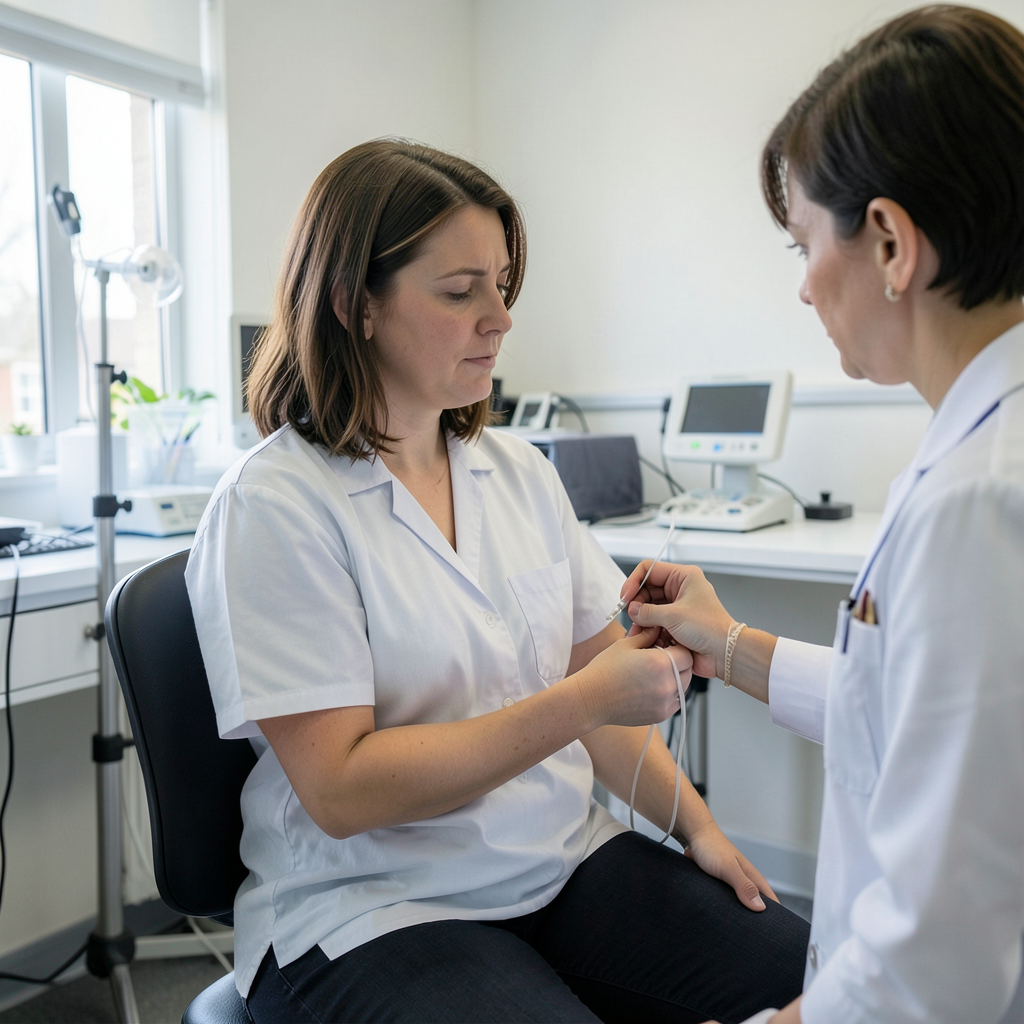

A 37-year-old woman from Bradford who has been told she carries a genetic variant linked to an elevated risk of cancer has described the ongoing challenges of managing her health outlook.
Beth Elias is participating in research that may contribute to new strategies for preventing hereditary cancers after discovering she possesses a BRCA2 gene variant associated with increased cancer susceptibility.
Elias underwent genetic testing alongside her two sisters following concerns about their family’s cancer history.
The three siblings agreed to review their results collectively, but while both sisters received negative results, Elias learned she carried the variant.
She described the outcome as unexpected, noting that she suddenly found herself in a different situation from her siblings.
Following evaluations of her family medical history and lifestyle factors, Elias was informed she has a 60% probability of developing cancer during her lifetime, with the risk rising after reaching 40 years of age.
She currently receives regular screening through the NHS in Bradford while evaluating options for reducing her susceptibility.
Among the approaches Elias has investigated are hormone therapy and surgical interventions.
She was prescribed a hormone therapy medication but discontinued use after experiencing adverse effects including skin rashes and notable mood disturbances.
She expressed the view that continued investment in cancer research is vital for developing more individualised treatment approaches that account for the varying circumstances and requirements of different patients.
Elias is now contemplating preventive surgical procedures, including a double mastectomy to lower her breast cancer risk and, at a later stage, a hysterectomy to reduce her ovarian cancer risk.
She characterised these potential procedures as presenting significant physical and emotional considerations.
She noted that such operations require several weeks of recovery during which normal activities including driving, employment and childcare would be affected.
Additional factors she mentioned included the physical consequences for her body, scarring and changes in physical sensation.
She also cited the psychological impact and adjustments to self-perception and confidence as important aspects to address.
She described the choice as deeply personal and complicated, emphasising that it should not be rushed.
Elias has taken on a role as an ambassador for the PARCC study, which examines whether individuals with inherited genetic variants linked to cancer would consider using PARP inhibitor medications to reduce their disease risk.
PARP inhibitors are currently employed in treating certain cancers.
The research project has received £346,531 in funding from Yorkshire Cancer Research and is being directed by Dr Stephanie Archer at the University of Cambridge.
The investigation is expected to involve more than 1,300 participants from Yorkshire as part of a broader national study encompassing 5,500 individuals across the United Kingdom.
The findings may inform whether future clinical trials examining PARP inhibitors as a cancer prevention method should proceed.
Elias stated her belief that the research could expand the options available to individuals managing inherited cancer risk.
She indicated strong support for the study, describing it as potentially representing an initial step toward developing new alternatives for people in similar circumstances.
She noted that possessing a BRCA gene variant can be a solitary experience, but expressed optimism that additional prevention options may become accessible in the future.