
Bradford’s higher education institution has attracted more than £57 million in research and innovation resources across the past five years.
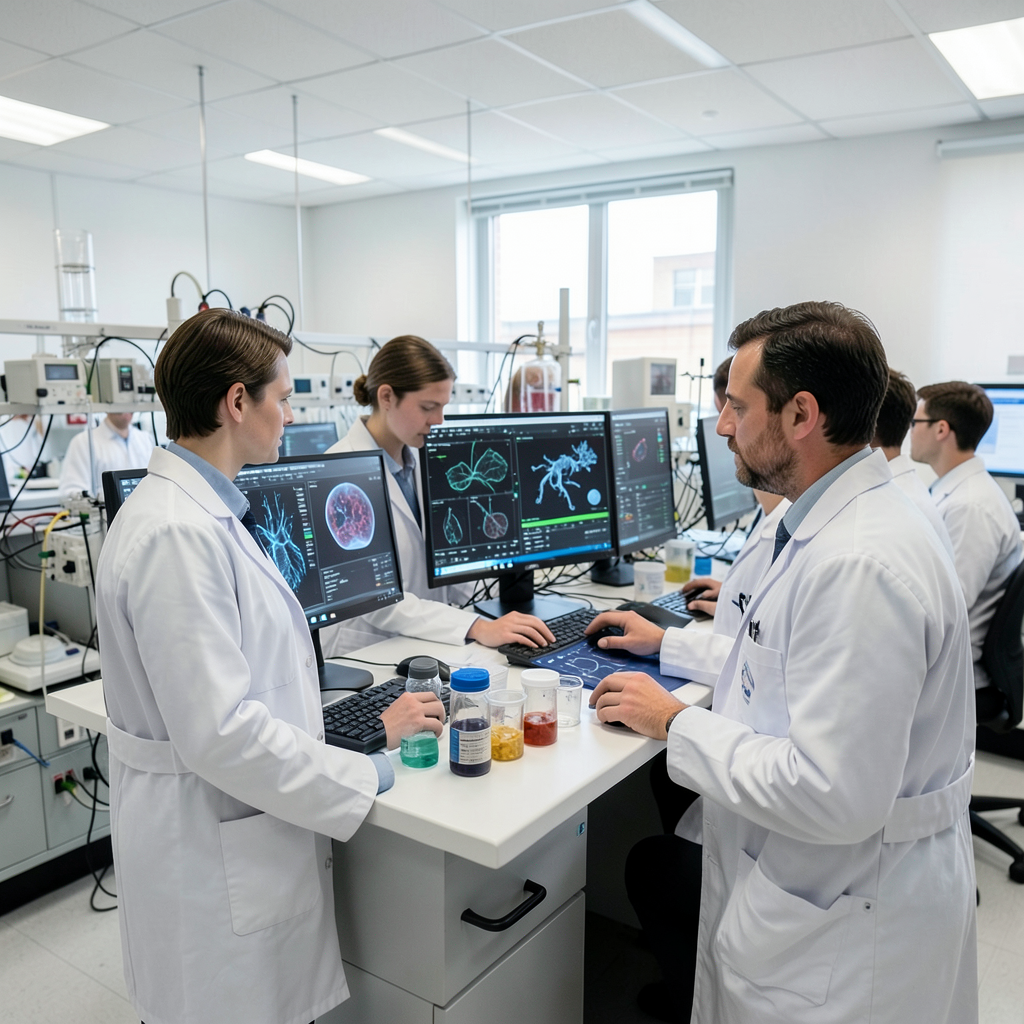
The financial support is directing investigations into oncology treatments, machine learning applications, medical care delivery, and emerging materials and technologies.
The most recent academic year alone yielded in excess of £8 million in secured awards.
The institution’s pro-vice-chancellor for research, innovation and global engagement, Professor Sherif El Khamisy, emphasised the institution’s commitment to transformative research.
The investments are funding initiatives addressing critical societal issues, spanning child health, cancer therapeutics, artificial intelligence, transportation systems, and healthcare delivery.
The recognition of diverse research capabilities aligns with the university’s dedication to regional economic revitalisation and workforce skill development.
These programmes illustrate how the university’s scholarly activities are generating new understanding, fostering innovation, and creating measurable outcomes across local, national, and global contexts.
Financial backing originated from bodies such as the National Institute for Health and Care Research, Innovate UK, UK Research and Innovation, charitable organisations, and commercial collaborators.
The resources have facilitated numerous research and innovation ventures, including £1.4 million designated for assessing the sustained effects of the Creating Active Schools initiative within Bradford’s primary education settings.
The programme seeks to tackle health disparities through enhanced physical activity participation and has been nominated for a Times Higher Education Award.
Investigators from the School of Optometry and Vision Science obtained almost £890,000 from the Medical Research Council to create novel approaches for identifying glaucoma-associated retinal deterioration at early stages, with the aim of preventing unnecessary vision impairment.
Over £216,000 from the NIHR supported OrQA-UK, an artificially intelligent organ evaluation platform intended to optimise utilisation of donated organs and increase transplantation access for patients requiring life-saving procedures.
Oncology investigations received support through funding directed at antibody-drug conjugates for breast malignancies and novel methodologies for prostate cancer management and detection.
This allocation included £188,039 from Neuroblastoma UK for neuro-oncology investigations, £185,167 from Worldwide Cancer Research for breast cancer therapeutic development, and £12,450 from Animal Free Research UK for prostate cancer inquiry.
The institution additionally attracted in excess of £1.1 million via an NIHR award for mental health research leadership, facilitating enhanced comprehension and future capabilities within mental wellbeing investigations.
Additional financed work encompassed investigations into childcare policy transformation, economic stability, pregnancy loss assistance, targeted therapeutics, and analytical technologies for substance detection.