
A feature-length documentary examining the tensions between traditional agriculture and ecological restoration is set to reach cinema audiences across the country.
Derek vs Derek, directed by James Dawson, will screen at Pictureville Cinema in Bradford during specific October dates as part of its nationwide theatrical run.
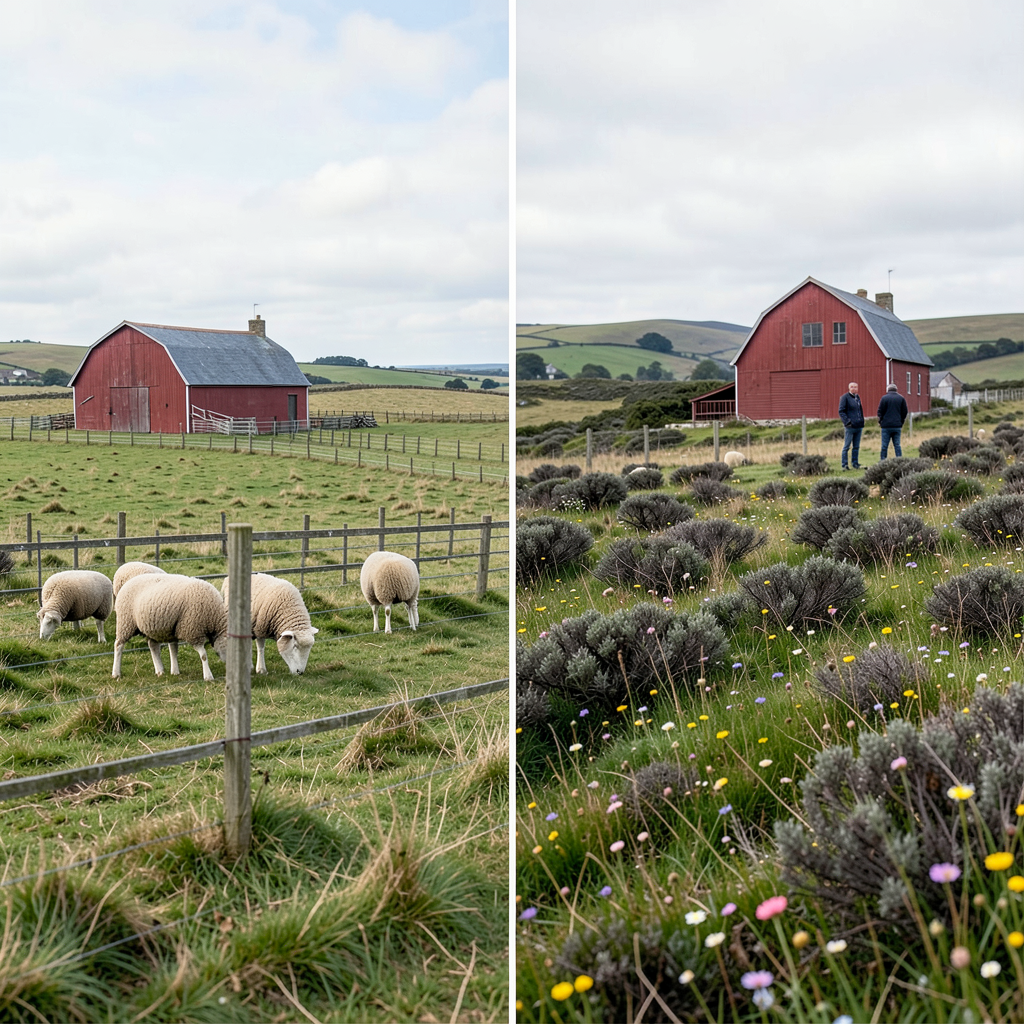
The production unfolds across the Devon countryside and chronicles the lives of two neighbouring agriculturalists who share both a surname and a profound disagreement about land stewardship.
Derek Banbury of Lower Frankaborough Farm represents conventional farming practices, having inherited and operated the dairy enterprise through three generations with a focus on intensive food production.
Conversely, Derek Gow of Rewilding Coombeshead has undertaken a fundamental transformation of his agricultural holdings, converting the property from traditional farming to a comprehensive rewilding initiative centred on ecological rehabilitation.
The documentary records their spirited and occasionally amusing disputes regarding land management, wildlife conservation, and the future trajectory of rural Britain.
Banbury expressed bewilderment at his neighbour’s methods, stating that Gow’s approach bore no resemblance to conventional agriculture and amounted to disorder.
Gow, who previously maintained sheep flocks, now dedicates his efforts to species repopulation schemes, constructing wetland habitats, and employing wild boar as a tool for landscape regeneration.
He articulated his vision of restoring the land and establishing the farm as a sanctuary for native species.
The production, captured over a four-year period, also includes appearances from Banbury’s spouse Linda, who has discovered areas of alignment with Gow’s environmental objectives.
She provides accommodation for international participants attending conservation and wolf-focused symposiums hosted by Gow.
She noted that having Gow in the locality had broadened her family’s perspectives considerably.
As wildlife populations thrive on Gow’s rewilding site, Banbury, now in his seventies, contemplates the environmental transformations he has observed throughout his lifetime and the responsibilities borne by agricultural producers and governmental frameworks in shaping the rural environment.
Beneath its lighter moments, the documentary confronts fundamental questions regarding the feasibility of restoring British ecosystems without undermining domestic food supplies.
Gow maintains optimism regarding the potential for substantive transformation.
He proposes that compensating landowners through public funding to designate merely ten percent of their least productive acreage for natural habitats would yield substantial ecological benefits.
The release coincides with a period of significant change for British farming, as agricultural support mechanisms transition towards payments rewarding environmentally sustainable land stewardship.
While many have embraced this directional shift, it presents considerable practical and financial obstacles for working farmers.
Director James Dawson explained that the impetus for the project stemmed from alarm at biodiversity decline in developed nations and the prospect of tackling such weighty subject matter through an entertaining narrative framework.
He observed that upon encountering the two individuals sharing the name Derek, their opposition presented a vehicle for conveying the broader narrative of ecological degradation in a manner distinct from typical environmental productions, which frequently leave audiences feeling despondent.