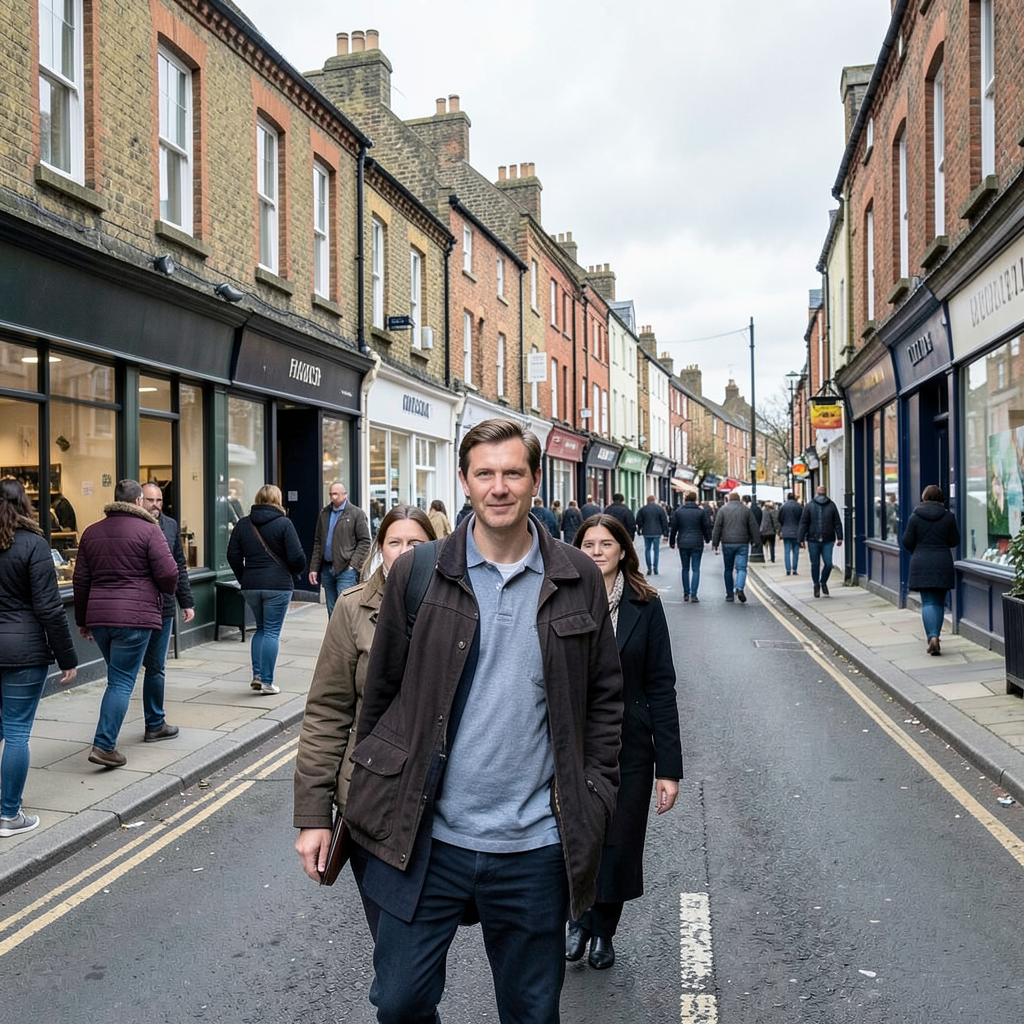

Discussions have emerged regarding perceptions of safety within central Bradford, sparked by comments from a Reform Party representative who expressed concerns about walking through the area independently.
The remarks were made during a session of the Wellbeing Board, where the councillor explained that while solitary visits to the city centre had previously been unremarkable, she now preferred accompaniment.
The observations generated substantial response from readers, with numerous individuals stating they frequently traversed Bradford without experiencing fear.
Kate Angliss mentioned her employment in the city and regular evening outings, noting that conditions compared favourably with most urban centres.
Charlotte Rose Siddle stated she had never experienced fear while walking through Bradford, though she recognised similar apprehension could arise in any town or city.
The reader, who is a transgender woman, mentioned remaining perpetually attentive to surrounding individuals and potential reactions.
She expressed feeling more secure in her birthplace.
Eryl Ward described routinely travelling by bus to Bradford during evening hours, walking from the railway station to theatres and returning safely.
The individual spoke positively regarding recent urban regeneration efforts.
Eileen Filao Wilson, who described herself as an older woman, mentioned regularly alighting at Forster Square station and walking through the central area without ever feeling threatened.
Councillor Joe Wheatley contributed to the exchange, stating he had never experienced fear while navigating the city centre.
He described having regularly walked through Bradford during his studies at further and higher education institutions in the city, and continuing this practice in his current role while attending municipal meetings.
Other participants adopted more measured stances.
Shona Grange indicated she did not fear walking through the central district but felt less at ease on roads following darkness.
Emma Hallett expressed willingness to walk alone in the vicinity of the Broadway shopping centre and cinema complex but discomfort about venturing further independently, preferring destinations such as Brighouse, Halifax and Leeds.
June Elvidge similarly reported not being frightened but maintaining caution, limiting visits to essential purposes and adopting a brief in-and-out approach.
Personal histories shaped certain perspectives.
Susan Radford observed that any location could seem secure absent harassment, yet negative experiences could permanently colour perceptions.
Another participant recalled being robbed at a cash machine in the city three decades prior, acknowledging the lengthy time elapsed.
Specific concerns also surfaced.
Amara Deen identified substance users as prompting deliberation, though no other safety concerns were reported.
Adele Chapman noted maintaining equivalent vigilance during nocturnal outings in Bradford as in Leeds.
Several participants highlighted recent improvements.
One individual described routine walks between major transport hubs.
Another detailed daytime and early evening walks between the station and the National Science and Media Museum without anxiety.
An additional commenter mentioned travelling by rail to attend an event at a city venue while intending to view the flower carpet installation, despite the representative’s expressed worries.
The exchange illustrated the complexity of urban safety perceptions.
Residents’ experiences varied substantially.
Some described feeling entirely comfortable navigating the city centre, while others reported apprehension, particularly after dark or following prior unpleasant incidents.
As the council’s chief executive observed during the meeting, apparent contradictions could coexist: conditions were improving while additional work remained necessary.