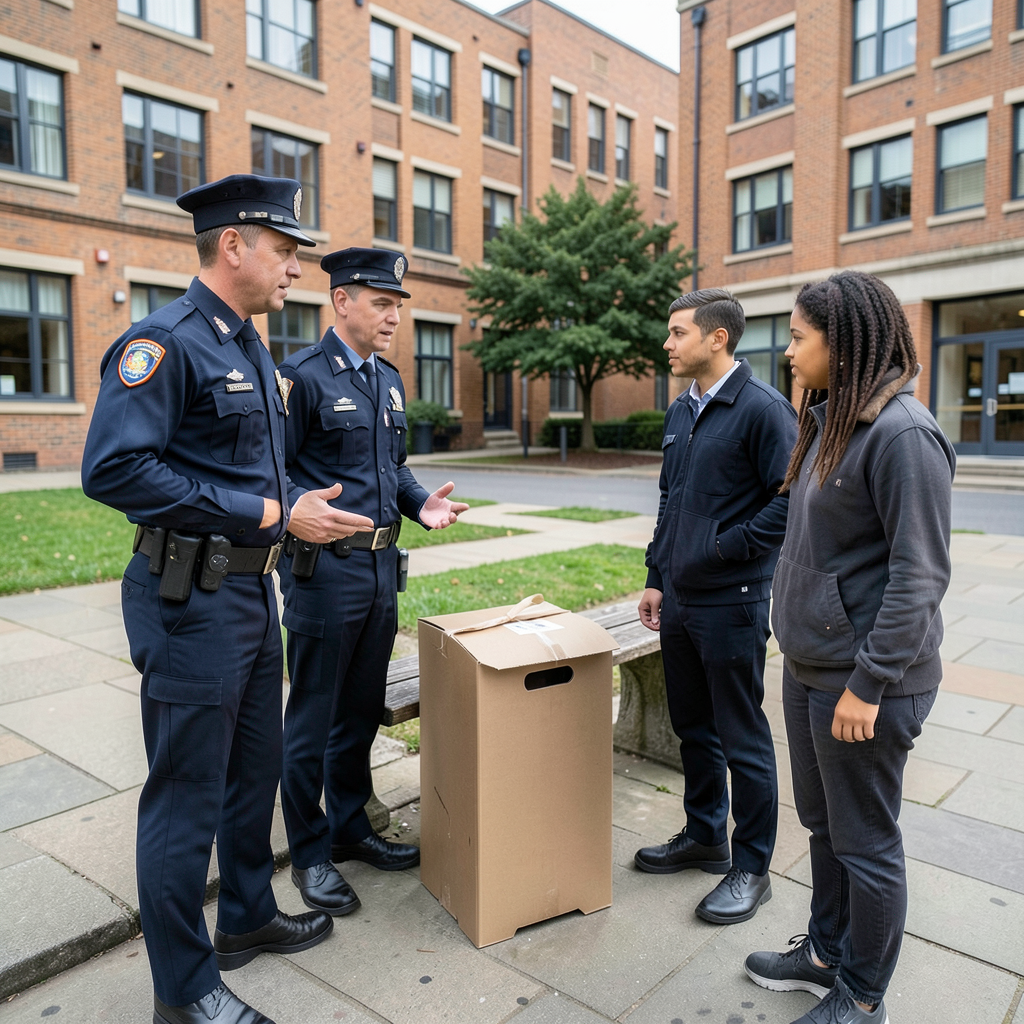

West Yorkshire Police has issued a public safety alert regarding the exploitation of students and vulnerable individuals by organised crime groups.
Authorities have identified a concerning pattern where criminal networks target people seeking additional income to transport illicit parcels.
Those experiencing financial hardship, including university students, represent particularly susceptible candidates for this form of exploitation.
The packages in question may contain prohibited substances, bladed weapons or property acquired through theft.
Participants in such activities risk prosecution for drug possession, handling stolen items or facilitating financial crime.
Chief Inspector Michelle Swift commented on the severity of the situation, noting that what appears to be a straightforward way to earn money could result in a criminal investigation and permanent record.
The recruitment of couriers predominantly occurs across digital platforms such as Snapchat, Instagram, TikTok and Facebook, according to police intelligence.
Officers are advising anyone who receives an unsolicited offer that seems suspicious to follow their instincts and notify authorities immediately.
The force is also calling on parents to initiate conversations about the dangers of this practice with their children who are currently studying at university.
Chief Inspector Swift added that the force anticipates that increased public awareness will enable individuals to recognise the methods employed by sophisticated criminal operations.
Special emphasis has been placed on encouraging parental engagement with university-aged offspring regarding the serious consequences associated with these activities.
Members of the public who suspect they may have been targeted can submit information through the West Yorkshire Police website live chat facility or by telephoning the non-emergency 101 number.
Those reporting an active incident or immediate threat to life should dial 999.
Anonymous crime reporting remains available through the Crimestoppers charity on 0800 555 111.