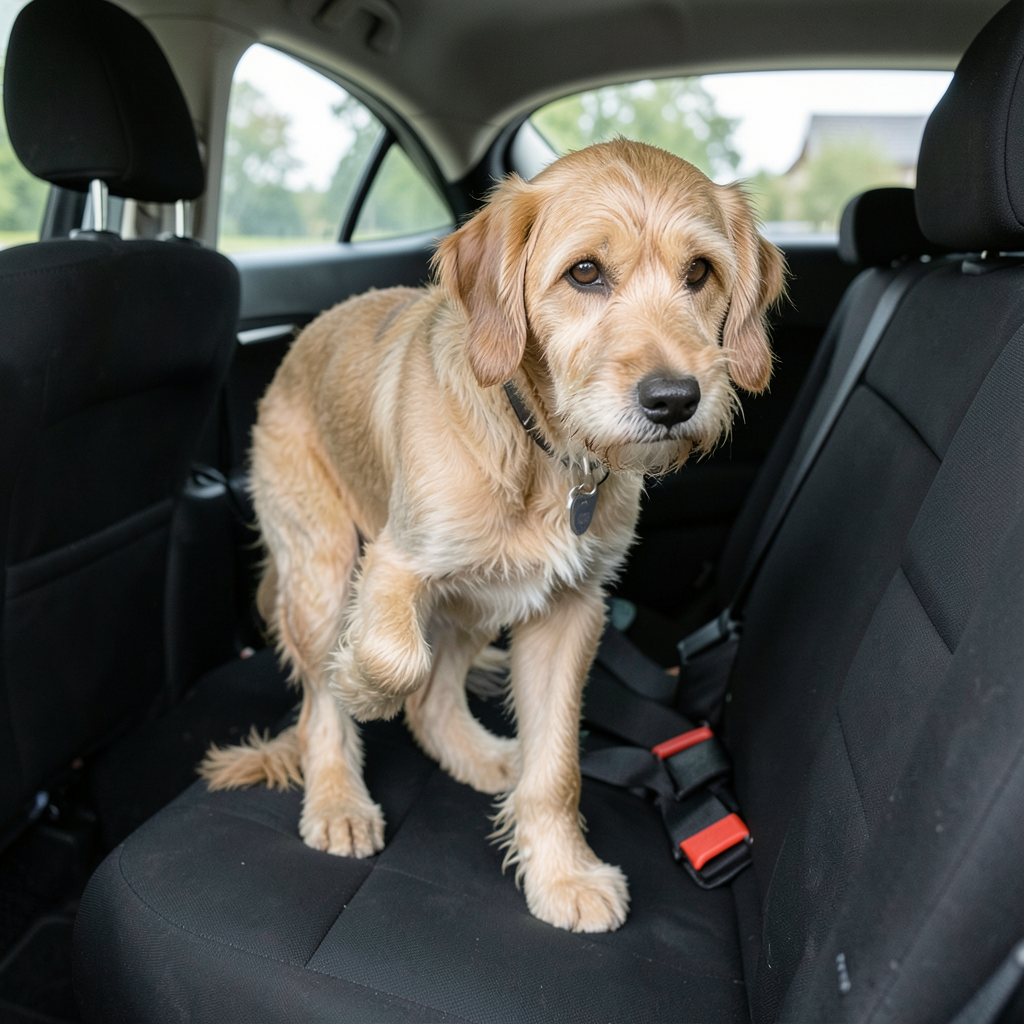

Vehicle owners could face substantial financial penalties when dogs are transported without appropriate safety measures in place.
Drivers who fail to secure animals correctly risk licence penalty points, potential disqualification, and fines reaching £5,000.
Highway Code Rule 57 specifies that dogs and other animals must be properly contained within vehicles to prevent driver distraction and avoid injury to the animal or occupants during sudden stops.
Acceptable methods of restraint include seat belt harnesses, animal carriers, purpose-built cages, and protective barriers.
Minor infringements may result in fines of up to £1,000, while more severe violations can incur penalties as high as £5,000 alongside up to nine penalty points.
In certain circumstances, drivers could also be required to resit their practical driving examination.
Mr Zapolski said an unsecured canine inside a car presents serious risks to both the animal and the driver.
Loose animals create significant distractions and could prove lethal if the vehicle is involved in a collision, as an unrestrained pet could become a projectile.
The rear seating area was identified as the safest location for animals, with Mr Zapolski noting that front passenger airbags might cause additional harm to animals during an impact.
He said restraint equipment is both affordable and straightforward to operate, providing essential protection for driver and pet while ensuring compliance with highway regulations.
Research conducted by the Dogs Trust indicates that 62 percent of motorists do not consider travelling with an unsecured pet to be hazardous.