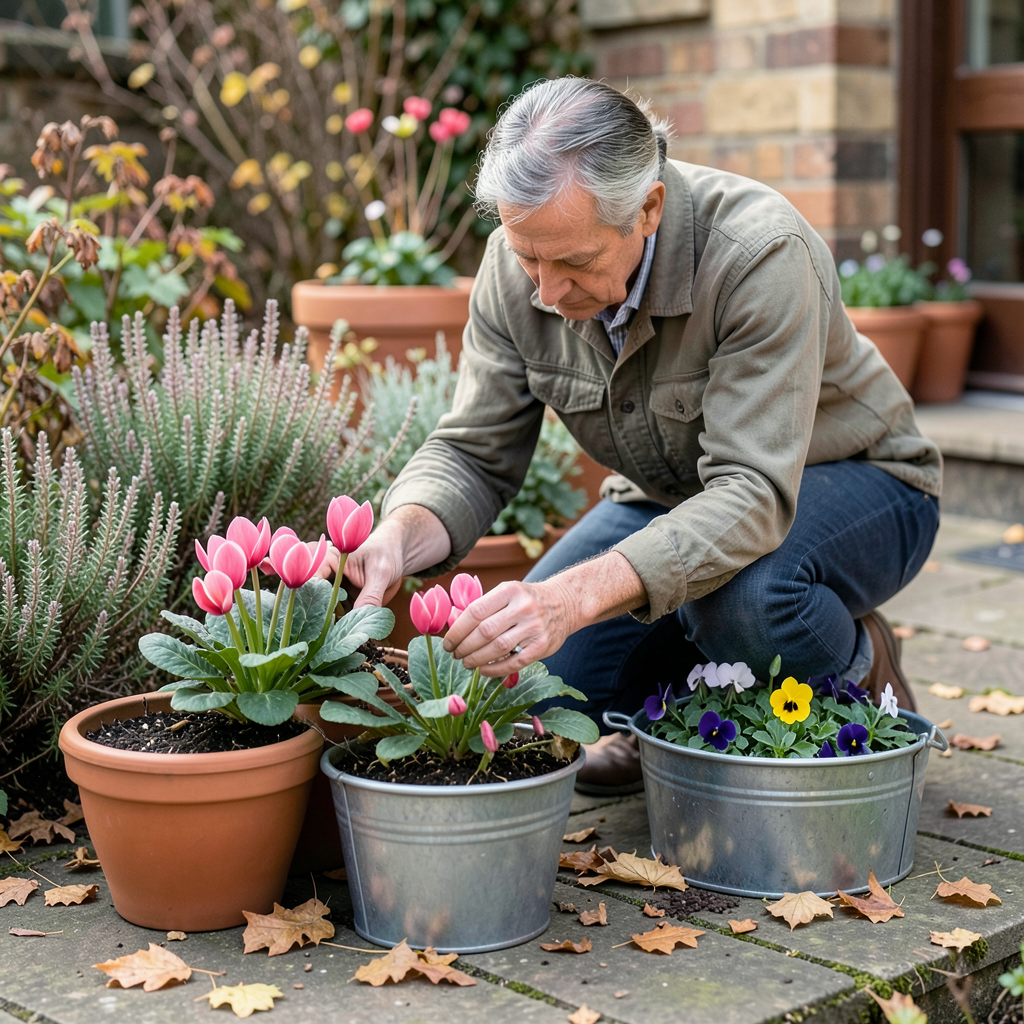

The sequence of increasingly extreme British weather has become unmistakable to those who tend outdoor spaces.
After consecutive summers marked by exceptional heat and prolonged dry periods, followed by seasons of heavy rainfall, the rhythm of the gardening year has shifted noticeably.
The arrival of September brings a natural respite, with temperatures dropping sufficiently to offer relief to both vegetation and those who cultivate it.
This transitional month signals a fundamental transformation in the garden’s appearance, as illumination becomes gentler and rich, warm hues begin to dominate planting schemes, introducing a more subdued but equally compelling form of natural beauty.
For many gardeners, autumn represents a period that has historically received less attention than other seasons.
Having devoted more than two decades to professional horticulture within Royal Horticultural Society properties, the opportunity existed to experience autumn on an expansive scale.
This current year, however, the focus has turned toward smaller-scale presentations, with container gardening emerging as the preferred method for showcasing the characteristic tones and textures of the season in more intimate settings.
The selection of container material plays a significant role in achieving effective autumn displays.
Four specific materials prove particularly well-suited to complementing seasonal plantings.
Corten steel, also known as rusty metal, zinc, woven basket containers, and terracotta each offer distinct aesthetic qualities that enhance autumn arrangements.
While metal containers can present challenges during peak summer months due to excessive heat retention around root systems, the cooler conditions of autumn and winter make zinc and corten steel particularly appropriate choices, lending contemporary styling to seasonal compositions.
A practical approach to managing container displays involves an initial planting stage using plastic containers, which are then positioned within larger ornamental planters and surrounded with composted bark fill.
This technique substantially simplifies the process of rotating seasonal displays, enabling complete refreshment of arrangements without the need to disturb the entire planting.
For metal containers, a modern planting style proves especially effective.
Ornamental grasses, coleus specimens, dahlia varieties featuring dark foliage, and trailing Lysimachia plants can be combined to produce visually striking arrangements with extended display periods.
The interplay between bold foliage and sleek metal surfaces creates a cohesive, contemporary aesthetic.
Woven basket containers occupy a middle ground between modern and traditional design approaches.
White bedding cyclamen, corokia specimens, variegated ivy plants, and autumn-flowering crocus bulbs work well in these containers, alongside the vivid leucothoe cultivars that become available at garden centres during this period.
Basket-ware also performs admirably in window troughs, combining strength with lightweight properties and an inherent suitability for informal seasonal presentations.
Terracotta containers contribute a softer, more traditional quality to autumn arrangements.
Bedding chrysanthemum plants, golden-toned grasses, and heuchera cultivars displaying copper-coloured foliage all thrive in clay pots, evoking a sense of nostalgic gardening and a gentler pace of outdoor activity.
Regardless of whether one favours the structured appearance of metal containers, the natural aesthetic of basket-ware, or the enduring appeal of terracotta, autumn containers present a straightforward method for maintaining visual interest in outdoor spaces as the year progresses.
Appropriate plant selection ensures that containers continue to provide colour, textural diversity, and aesthetic appeal well beyond September, extending through the colder months ahead.
Perennial aster varieties, commonly referred to as Michaelmas daisies, have traditionally featured prominently in British gardens throughout September.
These plants have attracted criticism in previous years due to susceptibility to powdery mildew, though newer cultivars demonstrate considerably improved resistance to this fungal disease.
The frikartii varieties represent examples of more disease-resistant selections.
Autumn represents an optimal period for establishing fruit trees in the garden.
The conventional planting window for apple trees and other fruit-bearing specimens spans from November through to the end of February.
November planting offers particular advantages, as soil temperatures typically remain relatively mild during this month, promoting successful establishment of new trees.
Gardeners who have observed reduced performance from peat-free compost compared to previous products they have used should note that peat-free alternatives lack the moisture and nutrient retention characteristics of traditional peat-based composts.
A recommended modification involves supplementing every three 50-litre bags of peat-free compost with one bag of quality topsoil, dividing this throughout the three bags.
This addition provides additional body and structural quality to the growing medium, substantially improving its capacity to support healthy plant development.