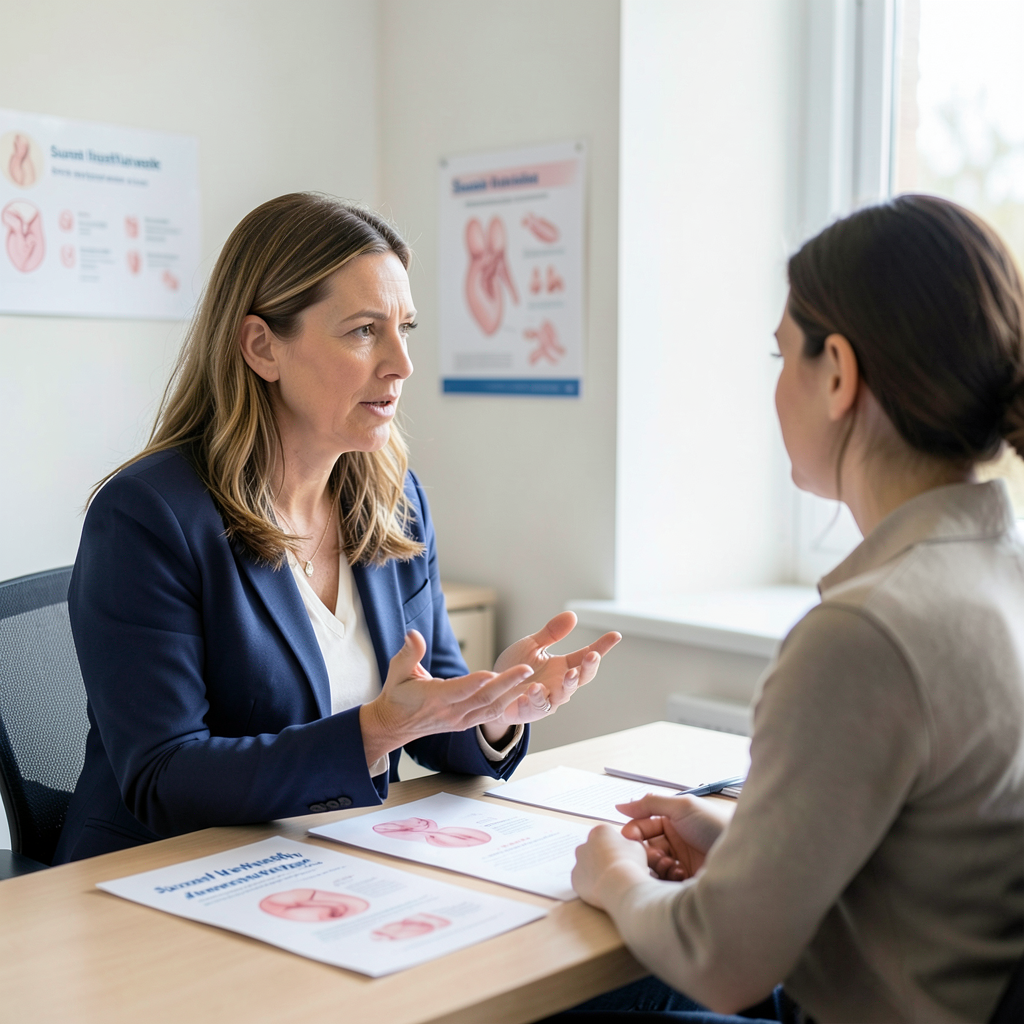

A specialist in women’s intimate wellbeing has addressed widespread misconceptions about sexual health during an annual awareness campaign.
Dr Susanna Unsworth, who serves as an intimate health specialist for the personal care brand Intimina, contributed to Sexual Health Awareness Week, observed from September 14 to 21.
Her commentary aimed to reduce the stigma and incorrect information that frequently surrounds sexual wellbeing.
According to Dr Unsworth, discomfort during intercourse should never be accepted as normal.
She emphasised that such pain indicates an underlying issue requiring appropriate medical assessment and support.
With accurate diagnosis and a comprehensive treatment approach, most individuals can experience substantial improvement.
Regarding menstrual cycles and sexual activity, Dr Unsworth clarified that intercourse during menstruation carries generally minimal risk.
However, she noted a marginally elevated possibility of transmitting infections under these circumstances.
She recommended barrier protection as a precautionary measure.
Addressing another common misconception, Dr Unsworth explained that vaginismus represents a genuine medical condition characterised by involuntary contraction of pelvic floor muscles, which can render penetration uncomfortable or unachievable.
Standard therapeutic approaches include patient education, targeted physiotherapy, and progressive muscle relaxation methods.
Dr Unsworth additionally challenged the belief that self-stimulation is damaging to health.
She described orgasm and regular sexual response as standard components of sexual wellbeing with meaningful contributions to both physical and psychological health.
Regular stimulation enhances circulation to the genital area, supporting tissue condition.
The hormonal response triggered by orgasm can elevate mood, decrease anxiety, encourage rest, and improve sleep quality.
On the subject of postpartum intimacy, Dr Unsworth stated that the appropriate timing for resuming sexual activity differs for each person and cannot be generalised.
An Intimina representative commented that the organisation seeks to eliminate shame surrounding intimate health matters by promoting body confidence, education, and open discussion among all genders.
Further resources can be found at intimina.com.