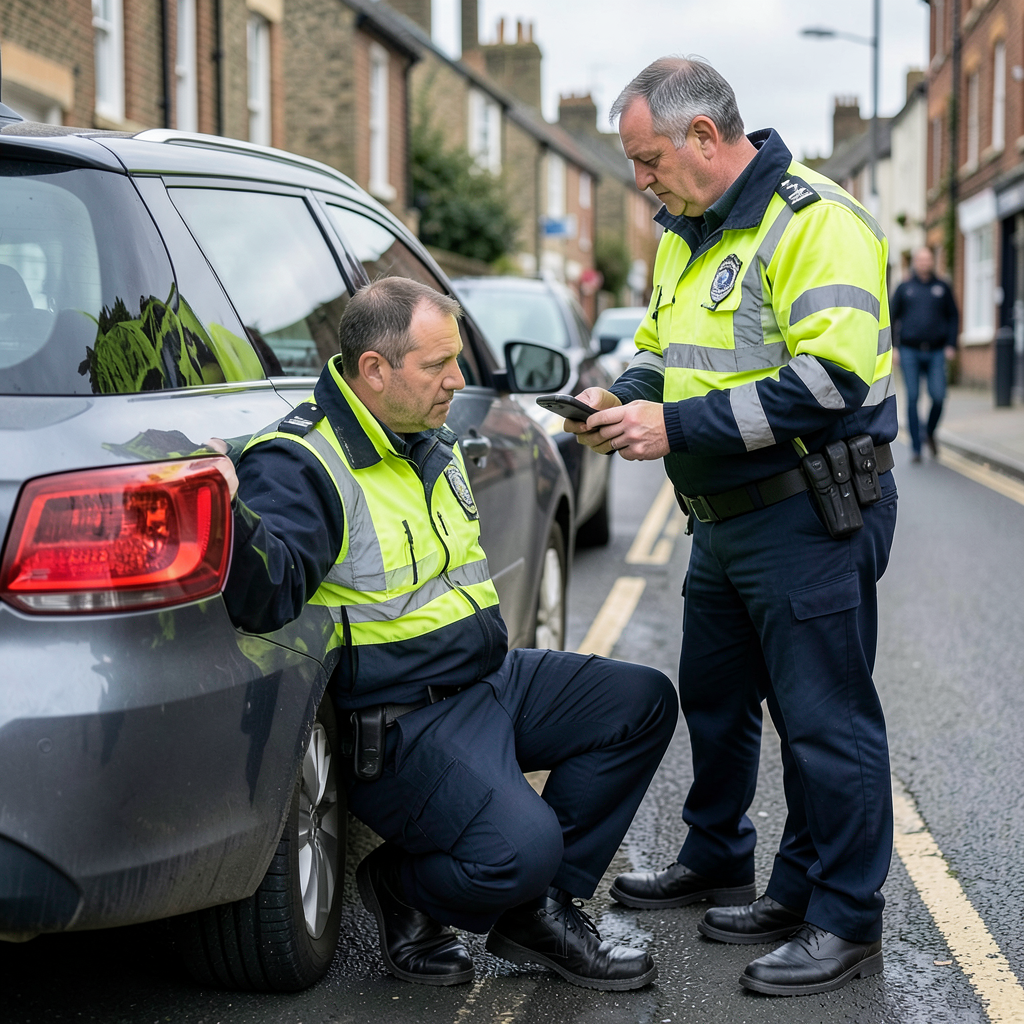

A specialised unit is being established to combat the misuse of fraudulent vehicle registration markings across West Yorkshire and the wider United Kingdom.
The initiative aims to address plates that are altered or copied to avoid detection and facilitate criminal activity.
Funding has been provided by the Department for Transport to support the National Roads Policing Coordination Centre in strengthening how police forces work together on this issue.
The centre will facilitate improved intelligence sharing, greater operational collaboration and more effective use of available data.
One key focus involves testing detection technology capable of identifying registration markings that have been modified to avoid automated recognition systems.
This includes equipment designed to expose plates that criminals attempt to conceal from number plate recognition cameras.
The problem extends beyond individual traffic offences.
Manipulated registration plates enable drivers to avoid penalties for speeding, parking violations and clean air zone charges.
The practice is also connected to organised criminal operations, particularly those involving the road transportation of illegal goods.
Vehicles that cannot be identified through camera systems present significant challenges for investigators following thefts or serious crimes.
Improved detection capabilities are expected to assist officers in locating suspects more quickly and reducing criminal activity.
The Roads Minister explained that the government is addressing this issue through new policing resources and innovative technology.
According to the minister, such plates are employed for offences ranging from avoiding parking charges to drug trafficking, and the government is taking action to protect road users.
The work forms part of the government’s Road Safety Strategy, the first such strategy published in more than ten years.
The strategy includes proposals intended to prevent thousands of deaths.
Among its provisions are consultation measures regarding increased penalties for those using fraudulent registration plates and considerations for stricter technical standards for number plates alongside enhanced enforcement activity.
Several methods are used to create illegal plates.
Cloned plates replicate the registration of another legitimate vehicle, making identification of the actual car involved difficult.
Ghost plates employ transparent film to render registrations unreadable by cameras.
Some drivers operate vehicles entirely without registration markings.
Those displaying plates incorrectly face fines reaching one thousand pounds.
The Deputy National Coordinator for the centre outlined that the unit’s purpose is to address the most significant road safety threats while developing the police response to criminal activity occurring on and around roads.
The coordinator noted that police forces participating in operations targeting ghost plates have demonstrated how a focused, intelligence-driven approach can effectively deal with offenders while also guiding and assisting drivers in ensuring their plates meet legal requirements.
The operation will enable forces to exchange tactical approaches and identify additional applications for detection technology.
Intelligence resources will be deployed to focus on both individuals committing offences and commercial operations supplying illegal plates.
The Policing and Crime Minister stated that illegal number plates are not without victims, as criminals employ them to evade detection, transport illegal goods and remain ahead of law enforcement.
The minister indicated that by consolidating police resources and improving how technology and intelligence are deployed, the new team will enable faster identification of offenders and disruption of organised crime groups dependent on the road network.
The coordination centre’s work builds upon efforts by the Driver and Vehicle Standards Agency and the Driver and Vehicle Licensing Agency, both of which are collaborating with police to enhance identification and tackling of illegal plates.
Their activities involve supporting investigations into businesses supplying plates illegally and assisting police with roadside enforcement operations.
Government officials indicated that the centre would support enforcement activity throughout England, while the coordinator referenced a broader United Kingdom role.
The objective includes improving information exchange between police forces, government departments and road safety organisations.
Ministers specified that priority would be given to drivers using illegal plates to avoid penalties and organised crime groups exploiting road networks.
The enforcement activity forms part of wider efforts to improve road safety and assist police in addressing serious offences.