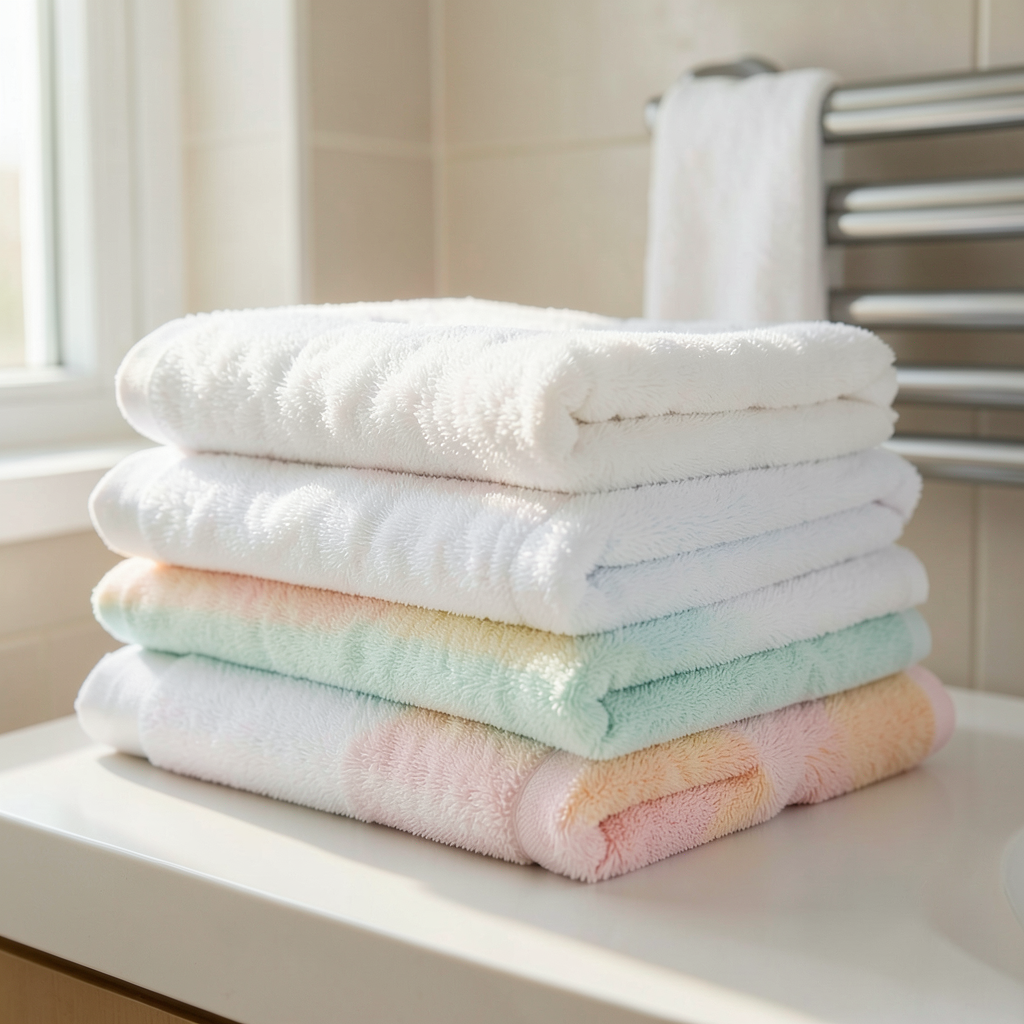

Maintaining towels in optimal condition requires attention to several key practices throughout the washing, drying and storage process.
According to laundry and linen specialist Jo Perks from luxury homeware brand Hampton & Astley, common errors in post-use handling frequently result in unpleasant aromas and premature deterioration of fabric quality.
One significant oversight involves allowing damp towels to remain crumpled on bathroom surfaces.
When moisture is trapped in folded fabric for extended periods, conditions become favourable for bacterial proliferation and the development of musty odours.
Perks advises immediately hanging towels in well-ventilated spaces, preferably with adequate airflow from an open window, and ensuring complete drying before transfer to a laundry receptacle.
Leaving laundered textiles inside washing machines once cycles conclude represents another frequently encountered error.
Damp fabric confined in enclosed drums rapidly acquires stale characteristics.
Prompt removal and immediate drying procedures prove essential, while regular laundering at minimum weekly intervals helps prevent accumulation of body oils and microbial contamination.
Newly purchased items warrant preliminary laundering before initial use.
During manufacturing and distribution processes, textiles accumulate various contaminants and treatment chemicals intended to produce retail presentation.
Isolated washing removes these residues effectively.
Cold water washing with mild, additive-free detergents, performed independently from other garments, safeguards cotton fibres and maintains colour integrity over prolonged periods.
For enhanced softness, introducing a small quantity of sodium bicarbonate to the detergent compartment serves as a natural conditioning agent.
Regarding mechanical drying, elevated temperatures contribute significantly to fabric coarseness.
Low heat settings with removal while material retains slight moisture, followed by air drying in cupboards or shaded exterior locations, preserves textile suppleness and absorbency.
Direct sunlight causes bleaching and fibre hardening.
Proper storage practices further influence longevity.
Suspended positioning with sufficient ventilation prevents fungal development while facilitating moisture evaporation.
Dedicated laundry containers separate from clothing items minimise cross-contamination risks.
Implementing these systematic approaches can substantially extend the functional lifespan of bath textiles while preserving their original texture and performance characteristics.