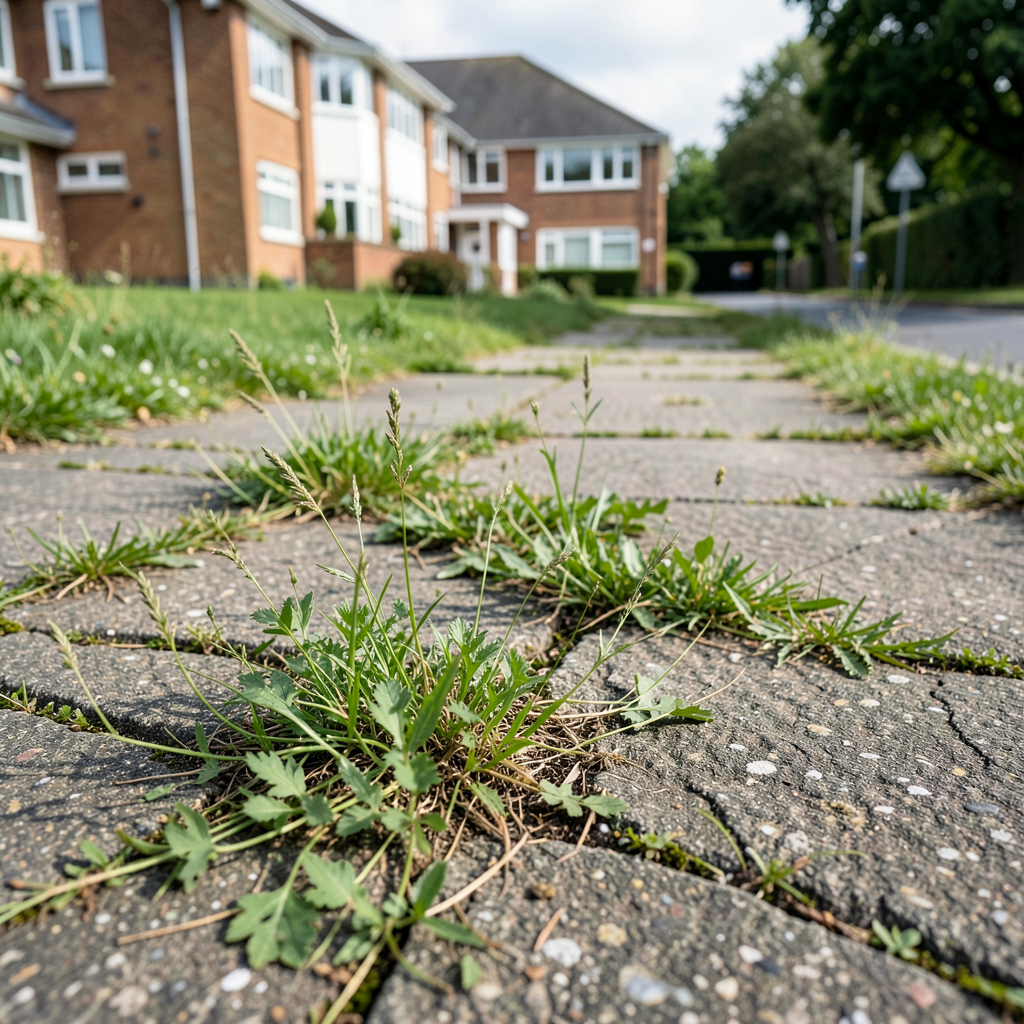

A local representative in Bradford has urged authorities to tackle widespread weed growth affecting pavements throughout a specific neighbourhood.
Labour councillor Joanne Dodds, who serves the Great Horton area, stated that footpaths throughout the district appear uncared for and unkempt.
The councillor expressed particular alarm given the imminent return of pupils to educational establishments.
During two decades as an elected representative, she noted that conditions had never reached such a poor state.
Following a period of exceptionally warm weather, vegetation had proliferated across walkways and kerbsides throughout the neighbourhood.
Certain routes had become cluttered with dense plant growth that could present a significant falling risk and impede the passage of prams, wheelchairs and mobility aids, compelling individuals to use the carriageway instead.
Such circumstances, she warned, created the potential for mishaps.
Despite submitting multiple reports to the local authority regarding these concerns, no remedial measures had been implemented.
Dodds additionally highlighted hazards posed by overgrown alleyways, where thorny vegetation and weeds endangered both children and general pedestrians.
Thoroughfares had become overrun with brambles and weeds, with parents informing her that youngsters had suffered stings from uncontrolled nettles.
Several of these passageways saw considerable footfall, and with children returning to lessons, maintaining cleanliness, accessibility and safety was essential, she maintained.
Although raising the matter on numerous occasions, clearance operations had yet to materialise.
Residents deserved basic standards from public services, the councillor observed.
She had been unable to obtain clarification regarding scheduling or explanation for why no weed treatment appeared to have occurred within the ward or why alleyways and pathways were not subject to regular maintenance.
Such a situation was unacceptable.
Weed infestations can create numerous hazards for path users.
Growth emerging through fissures or along edges diminishes usable walkway width, rendering routes navigable for pedestrians yet impassable for wheelchair users or those pushing buggies.
Root systems can displace or fracture paving stones, generating uneven ground that proves problematic for wheeled aids or walking sticks.
Pathways designated for accessibility require level, stable surfaces free from obstacles, conditions that vegetation growth can compromise.
Drainage systems may become clogged, resulting in pooled water that increases slipping dangers and accelerates surface deterioration.
Where blockages prove severe or pavements are already constricted, those on foot, including wheelchair and pushchair users, may have no alternative but to enter the carriageway, exposing them to vehicular traffic.