
A High Court case has been commenced against a food and drink conglomerate over allegations it breached contractual obligations, with damages sought exceeding three million pounds.
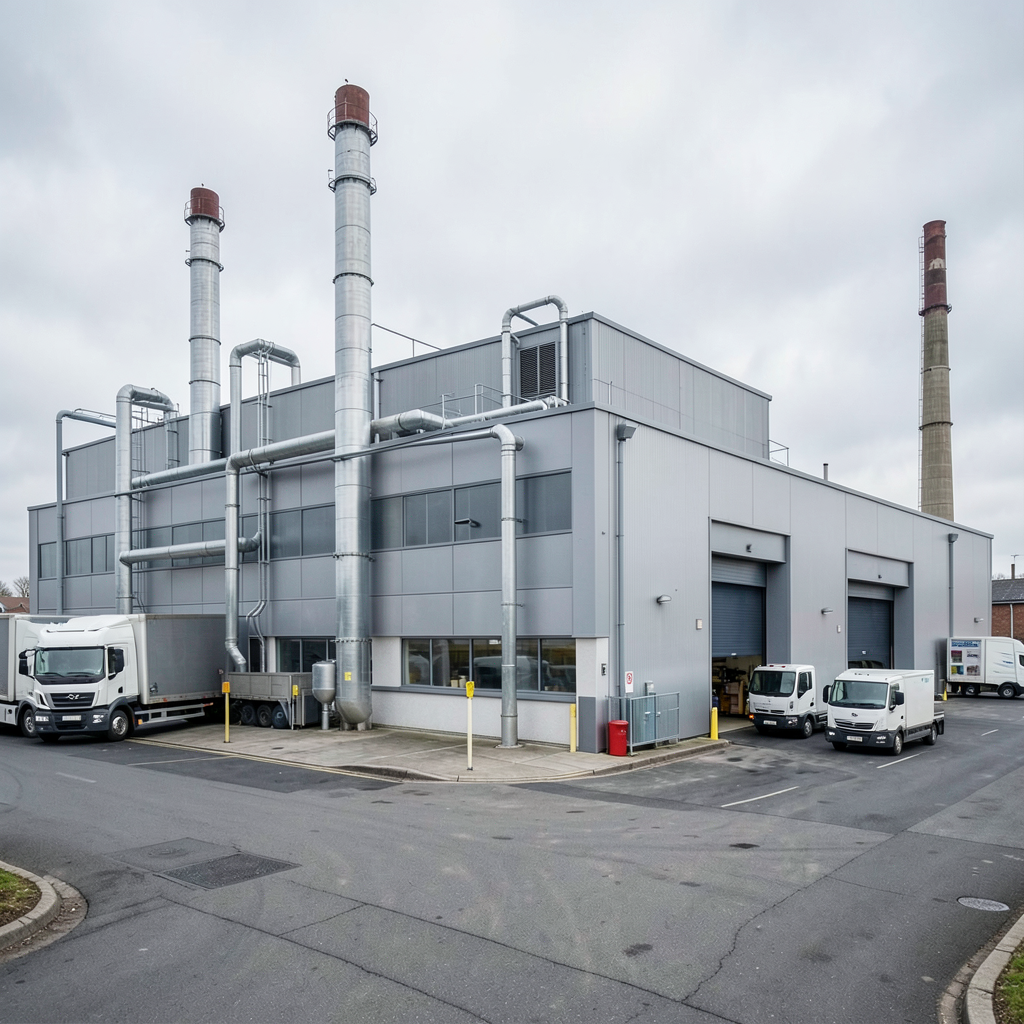
The T&A previously reported that the company had secured what was described as a significant manufacturing agreement in 2024, involving the production of 250 million juice pouches annually at its West Yorkshire site situated on Weaverthorpe Road near Tong Street in Bradford.
The dispute has now escalated to formal legal proceedings.
The company is facing claims from the beverage manufacturer that it failed to meet its manufacturing commitments under the agreement.
Representatives for the defendant organisation stated that operations at the Bradford site continued without interruption and that all current employment levels remained unaffected.
The plaintiff companies, comprising the Swiss parent organisation and its British trading entity, initiated court action earlier this year.
Their legal team alleged multiple breaches of 2024 contractual arrangements, asserting that these failures resulted in substantial financial harm.
Court submissions detailed how the defendant allegedly contravened terms through a one-sided cessation of manufacturing and supply activities in January, with the total claim value surpassing the three million pound threshold.
According to the legal team, two separate commercial arrangements were established in the early months of 2024.
The first covered storage and logistics functions, while the second addressed joint manufacturing responsibilities, signed approximately eight weeks subsequently.
The court was informed that the defendant halted all production and distribution of the beverage products until an amount exceeding 2.5 million pounds was remitted by the claimant.
Although manufacturing resumed after this payment, the defendant communicated its intention to cease operations once more the following month.
The claimant has subsequently pursued compensation, sought a court order compelling continued production, and requested a judicial determination that the disputed payment sum was not legitimately owed.
The barrister outlined how the defendant neglected to produce and distribute significant volumes of ordered merchandise throughout a period spanning early February to mid-July 2026.
This resulted in the claimant being incapable of satisfying purchase orders from a substantial portion of the retail sector, encompassing multiple national supermarket chains and online platforms.
The supply shortfall manifested as widespread product unavailability across retail environments, with select stockists completely depleting their reserves.
During this timeframe, the claimant reported being unable to fulfill orders amounting to several hundred thousand cases.
Financial experts acting for the claimant calculated lost trading income at approximately 2.68 million pounds, alongside projected lost earnings of around 847,000 pounds.
The defendant organisation rejected all allegations in their formal response.
A spokesperson maintained that its Bradford facility, which remains engaged in manufacturing the product, continued to operate as usual without any operational or staffing complications.
The company challenged the claimant’s assertions as inaccurate and contended that the claimant itself had failed to honour specific contractual duties.
Defensive arguments and potential counterclaims were being developed, through which the defendant intended to protect its interests and pursue recompense for losses sustained.
Given that proceedings were now before the judiciary, further public commentary on the substantive complaints or ongoing litigation was deemed unsuitable.
Representatives for the claimant indicated that public statements would similarly be limited while the matter remained sub judice.
The company intended to present its position through appropriate legal channels and would refrain from additional public discussion until proceedings concluded.
Maintaining consistent product availability for customers and consumers was identified as the primary concern throughout this process.