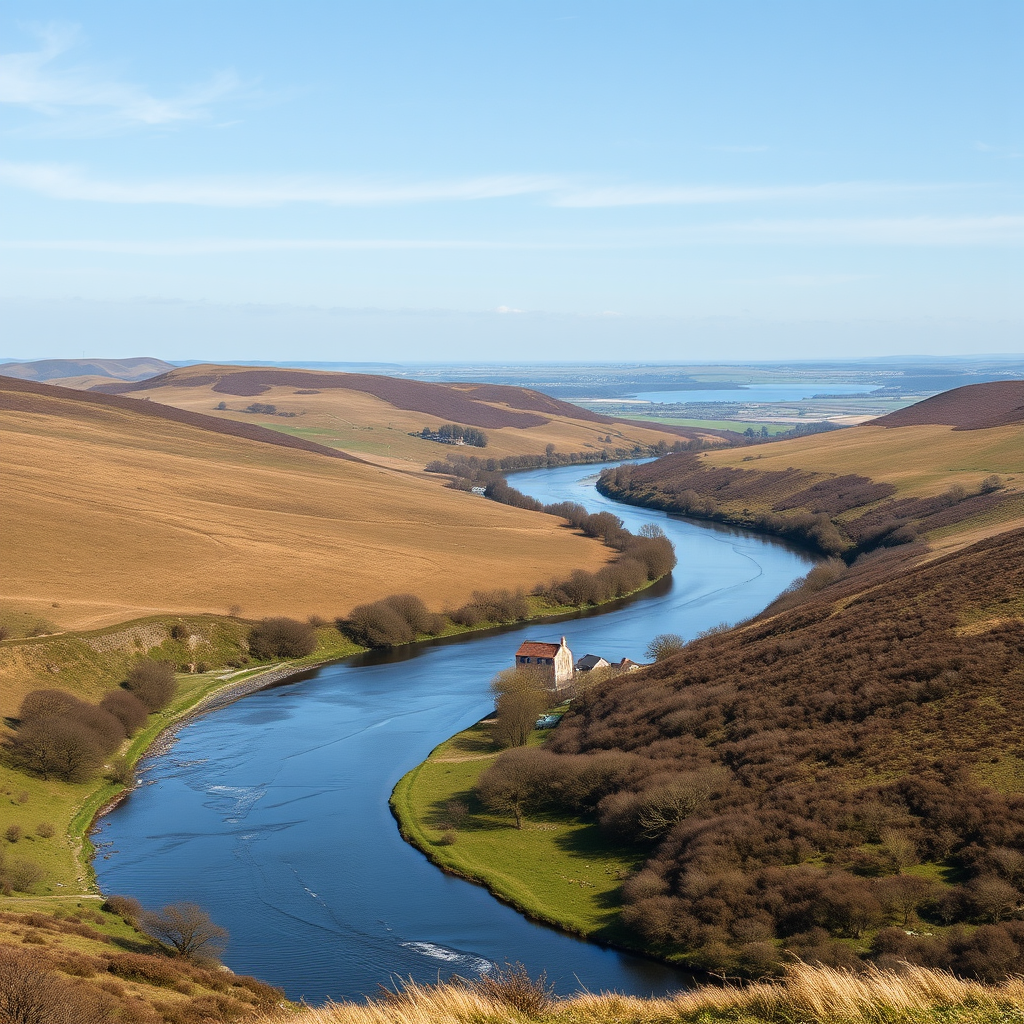

From the quiet trickle of moorland streams to the restless waves of the North Sea, Yorkshire’s waters tell a single, connected story. This spring, the Rivers to Reef project invites people to become part of that story
Rivers to Reef is a cross-county movement for cleaner water that spotlights a simple but powerful truth: what happens inland affects our seas. The project will initially focus on the Rivers Aire and Derwent, two iconic Yorkshire rivers whose waters flow into the Humber Estuary and out into the North Sea.
One drop, many journeys
Every year, vast amounts of litter, microplastics, agricultural run-off, sewage and household chemicals enter Yorkshire’s rivers. Carried downstream, these pollutants don’t simply disappear, they accumulate, impacting wildlife along the way before reaching the Humber Estuary and the marine ecosystems beyond.
Yorkshire’s rivers drain around one-fifth of England’s landmass into the Humber, making it the largest single freshwater contributor to the North Sea.
The consequences of pollution are felt by some of our most cherished wildlife. Freshwater invertebrates, such as mayflies and caddisflies ‒ vital indicators of river health ‒ are highly sensitive to changes in water quality. Migratory fish like salmon and sea trout depend on clean rivers to complete their epic life cycles. Further downstream, shellfish, including mussels and oysters, filter the water, while marine mammals, such as seals and harbour porpoises, rely on healthy coastal food webs to survive.
Yet for decades, rivers and seas have often been protected separately, with conservation efforts ending at the riverbank or the shoreline. Rivers to Reef is designed to change that, recognising that a polluted stream in the Pennines can ultimately affect reefs off the Yorkshire coast.
Beach Clean volunteers picking litter. (Image: Paul Stephenson)
Science powered by people
A central pillar of Rivers to Reef is citizen science. Across Yorkshire, volunteers will help build a clearer picture of water
quality by taking part in standardised monitoring to track pollutants and identify hotspots. Community-led litter surveys will measure the scale of river and coastal debris, while twice-yearly Water Quality Blitzes, delivered in collaboration with Earthwatch, will bring people together for coordinated sampling efforts.
A single water sample can reveal nitrate levels, phosphate pollution and even clues about sewage contamination, helping scientists pinpoint where action is most urgently needed.
This shared data will not only inform conservation work but also strengthen the case for policy change, ensuring that decisions affecting rivers and seas are grounded in evidence from the communities who know them best.
Small actions, big impact
Rivers to Reef is about helping households to protect waterways every day. Simple actions at home and in the garden can make a real difference: cooling, scraping and binning fats and oils instead of pouring them down the sink; disposing of wet wipes in the bin rather than down the toilet; using wash bags or natural fibres to reduce microfibre pollution; and choosing water-safe flea and tick treatments for pets. The project will also be working with landowners to reduce run-off into rivers through the creation of buffer strips and wooded areas.
Wet wipes are one of the most common items found during river clean-ups, and many contain plastic, so they don’t biodegrade.
Water quality testing for the Great UK WaterBlitz. (Image: Earthwatch Europe)
By reducing, reusing and recycling
plastics, joining local litter clean-ups and checking household plumbing is correctly connected, people can help prevent pollution long before it reaches the sea. Rivers to Reef highlights how even the smallest inland actions can safeguard marine ecosystems, a powerful reminder that rivers and reefs are inseparably linked.
Martin Slater, deputy CEO at Yorkshire Wildlife Trust, explains: ‘Yorkshire’s rivers and seas are the heart of our landscape, but they are under pressure like never before. Rivers to Reef is about giving everyone, from families to local communities, the chance to make a real, visible difference. Every water sample, every piece of litter picked up and every small action adds up to cleaner, healthier waters we can all be proud of.’
How to get involved
Rivers to Reef will only succeed with Yorkshire’s people at its heart. Every water sample collected, plastic bottle picked up, wet wipe binned correctly or conversation shared contributes to a bigger, connected picture of healthier rivers and seas.
The first opportunity to take part is the Great UK WaterBlitz, April 24-27, a weekend of citizen science that will map water quality across Yorkshire.
Rivers to Reef has been developed in partnership with Aire Rivers Trust and the Yorkshire Derwent Catchment Partnership, and supported by Yorkshire Water. .
To join the movement, take action, get more advice and help Yorkshire’s rivers and seas thrive, visit ywt.org.uk/rivers-to-reef
Photo: Paul Stephenson
wildlife